Silicon carbide (SiC), often described as carborundum, is an impressive compound valued for its firmness, thermal conductivity, and chemical stability. Amongst its lots of polytypes, 6H-SiC attracts attention in semiconductor applications because of its beneficial electronic buildings. Processing silicon carbide– especially the 6H version– involves precise techniques that balance high temperatures, controlled ambiences, and crystal growth methods like the physical vapor transport (PVT) procedure.
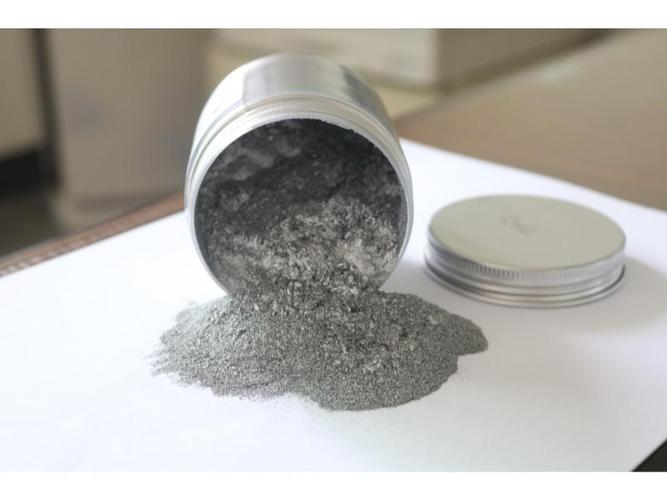
(silicon carbide processing)
The journey starts with high-purity silicon and carbon sources, which are incorporated under extreme heat– normally above 2000 ° C– to form SiC crystals. In the PVT technique, sublimation of SiC powder takes place in a graphite crucible, and vapors recondense on a seed crystal to grow large, single-crystal ingots. This slow, energy-intensive process demands meticulous control to lessen problems such as micropipes or stacking mistakes that can compromise tool efficiency.
Once expanded, the boules undergo slicing, lapping, brightening, and engraving to generate wafers suitable for electronics. Each step needs customized devices and abrasives capable of managing SiC’s severe solidity– 2nd only to diamond. Final surface area top quality is crucial, particularly for power gadgets like MOSFETs and Schottky diodes, where also nanoscale flaws can influence efficiency and reliability.
Black carborundum, a common industrial form of SiC, is coarser and made use of in abrasives and refractories, but the fine-tuned 6H-SiC discovers its specific niche in high-power, high-frequency, and high-temperature electronic devices. As demand grows for reliable electric vehicles and renewable energy systems, developments in SiC processing continue to drive technology in product scientific research and manufacturing.
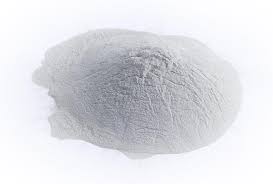
(silicon carbide processing)
For much deeper insights into the structure and applications of 6H-SiC and black carborundum, explore in-depth conversations at https://www.bookmarked.co.za/biology/6h-silicon-carbide.html, https://www.bookmarked.co.za/biology/sic-6h.html, and https://www.bookmarked.co.za/biology/black-carborundum.html.