Silicon carbide (SiC) is a remarkable compound that’s improving the future of power electronics and high-temperature applications. Unlike traditional silicon, SiC uses exceptional thermal conductivity, greater failure voltage, and better efficiency– making it suitable for electrical vehicles, renewable energy systems, and commercial electric motor drives. Its large bandgap permits gadgets to run at much higher temperatures and voltages without deteriorating efficiency.
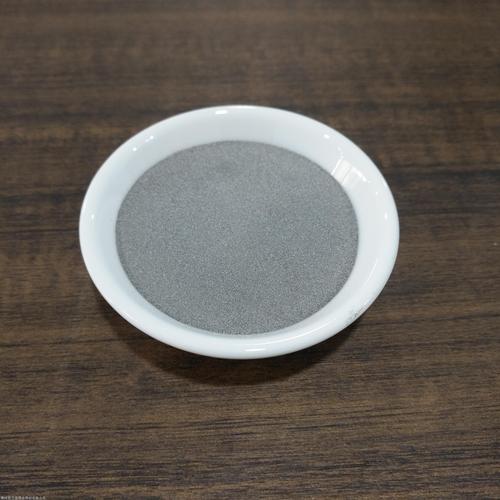
(st silicon carbide)
Among the key advantages of SiC is its capacity to lower energy losses significantly. In power conversion systems, SiC-based components can reduce switching losses by up to 75% compared to silicon counterparts. This translates right into smaller sized, lighter, and extra efficient systems– critical for modern-day EVs where every watt counts. Additionally, SiC’s robustness allows operation in harsh environments, such as aerospace and protection applications, where dependability under stress is non-negotiable.
Production top notch SiC wafers continues to be difficult because of crystal growth complexities and material defects. Nevertheless, companies like Clas-Sic Wafer Fab Limited are pressing boundaries with advanced manufacture strategies to enhance return and performance. Meanwhile, research right into composite materials– such as alumina-silicon carbide blends– is unlocking brand-new possibilities in architectural porcelains and thermal administration solutions.
As need surges, so does technology. From eco-friendly silicon initiatives intending to lower the carbon impact of semiconductor production to innovations in wafer-scale assimilation, SiC stands at the heart of next-generation modern technology. Its role isn’t simply corresponding– it’s transformative.
For much deeper insights into SiC’s organic interactions, sustainable manufacturing techniques, and industrial applications, discover these sources:
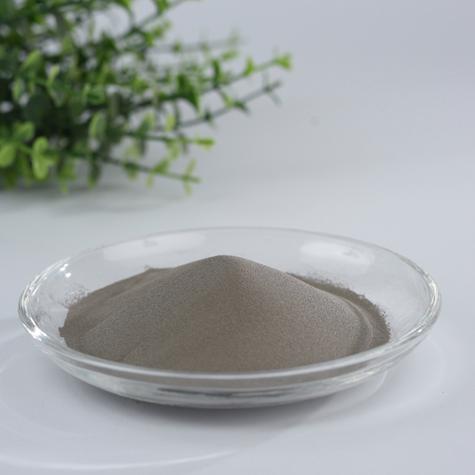
(st silicon carbide)
Silicon carbide isn’t simply an alternative– it’s the future, crafted atom by atom.