Silicon carbide burner are necessary parts in high-temperature commercial applications, valued for their durability, effectiveness, and resistance to oxidation. Made from a compound of silicon and carbon, these elements can operate constantly at temperatures as much as 1600 ° C (2912 ° F), making them optimal for usage in heaters for porcelains, glass, metallurgy, and semiconductor processing. Unlike metal-based burner, silicon carbide keeps structural integrity and electric conductivity even under severe thermal anxiety.
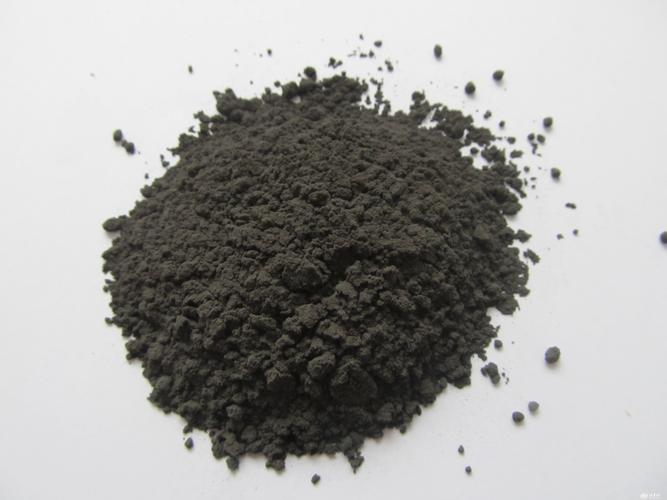
(silicon carbide heating element)
Among the standout attributes of silicon carbide heating elements is their ability to form a protective layer of silicon dioxide externally when subjected to oxygen at high temperatures. This glaze-like layer slows down further oxidation, considerably extending the element’s service life. Additionally, they exhibit low thermal development and exceptional thermal shock resistance– critical characteristics when fast home heating and cooling cycles are included.
These components are available in different forms, consisting of rods, tubes, and customized setups, permitting versatility in heater design. Their resistivity enhances gradually as they age, which need to be accounted for in power supply systems to preserve regular performance. Appropriate setup and operating conditions are essential to optimizing life-span and staying clear of early failing.
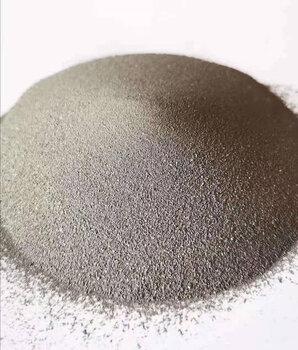
(silicon carbide heating element)
For those discovering innovative ceramic materials in high-heat environments, silicon carbide crucibles also use complementary advantages, sharing comparable thermal and chemical security. As industries push toward higher efficiency and cleaner processes, silicon carbide heating elements remain a reputable selection. Discover more concerning associated ceramic technologies like boron nitride powders and crucibles at bookmarked.co.za, where sophisticated product scientific research satisfies sensible application.