White silicon carbide is an impressive synthetic substance understood for its extraordinary solidity and thermal conductivity. Created through the Acheson process, it includes home heating silica sand and carbon at extremely high temperatures– usually over 1700 ° C– in an electric resistance furnace. The resulting crystalline product looks like sharp, angular grains with a distinct white or light gray shade, distinguishing it from the darker eco-friendly variation of silicon carbide.
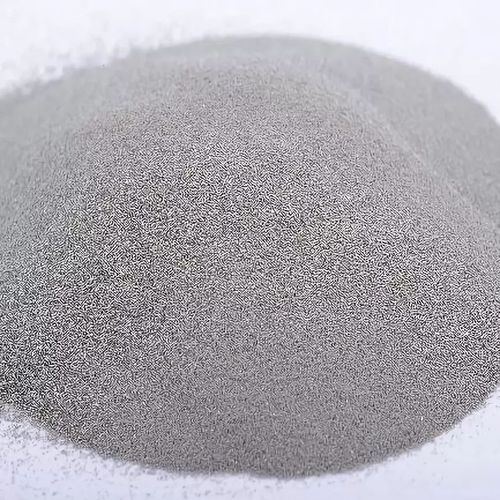
(white silicon carbide)
This rough product ranks just below diamond and cubic boron nitride on the Mohs firmness scale, making it optimal for grinding, cutting, and polishing applications. Its high thermal conductivity and low thermal expansion also offer it to utilize in refractory materials, porcelains, and even semiconductor parts. Unlike many abrasives, white silicon carbide preserves its stability under extreme warm and pressure, ensuring constant efficiency sought after industrial environments.
Among its vital advantages hinges on its chemical inertness– it resists oxidation and does not quickly respond with acids or alkalis, improving its durability in harsh problems. This residential property makes it especially valuable in producing accuracy components for aerospace, auto, and electronic devices industries. Additionally, due to its pureness and great grain framework, it is chosen for completing delicate surface areas like optical lenses and silicon wafers.
While usually contrasted to standard abrasives like aluminum oxide, white silicon carbide provides premium cutting rate and surface finish on non-ferrous steels, rock, glass, and compounds. Nevertheless, it is much less suitable for steel due to potential chemical reactions at high temperatures.
As innovation developments, the need for high-performance products remains to expand, and white silicon carbide stays at the forefront of industrial development. Its special mix of physical and chemical homes ensures it will certainly continue to be important throughout numerous state-of-the-art sectors.
(white silicon carbide)
For more insights into innovative materials and their applications, discover these sources: https://www.bookmarked.co.za/biology/nth4l028n170m1.html, https://www.bookmarked.co.za/biology/sct055hu65g3ag.html, https://www.bookmarked.co.za/biology/synthetic-silicon-carbide.html