Silicon carbide (SiC) chips are reinventing the semiconductor market by supplying remarkable performance over conventional silicon-based elements. Known for their remarkable thermal conductivity, high malfunction voltage, and capacity to run efficiently at elevated temperatures, SiC chips are significantly made use of in electrical lorries, renewable resource systems, and commercial power electronic devices. Unlike conventional silicon, which starts to break down under high stress and anxiety or heat, silicon carbide keeps stability and effectiveness, enabling smaller, lighter, and a lot more powerful electronic gadgets.
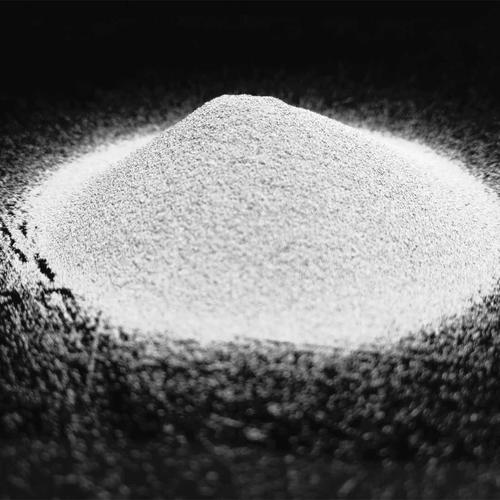
(silicon carbide chips)
Among the standout benefits of SiC chips is their energy performance. They considerably reduce power losses throughout conversion, which converts into longer battery life for electric lorries and reduced operational prices for data facilities and power grids. Furthermore, their effectiveness enables higher changing regularities, reducing the need for cumbersome air conditioning systems and easy components. This miniaturization potential is driving extensive fostering across aerospace, protection, and telecoms fields.
Manufacturers are spending greatly in SiC wafer manufacturing to meet growing demand, though challenges stay in cost and crystal flaw control. Nonetheless, recurring research remains to improve return and scalability. As international initiatives to decrease carbon emissions magnify, SiC chips offer an essential pathway toward greener, more sustainable innovation.
For more understandings right into sophisticated porcelains and their applications, discover relevant topics such as silicon carbide burner and boron nitride crucibles made use of in high-purity material handling. These developments underscore the wider function of ceramic materials in next-generation modern technologies.
Learn more at:
Boron Nitride Ceramic Crucibles for Evaporation of High Purity Germanium for Infrared Optics
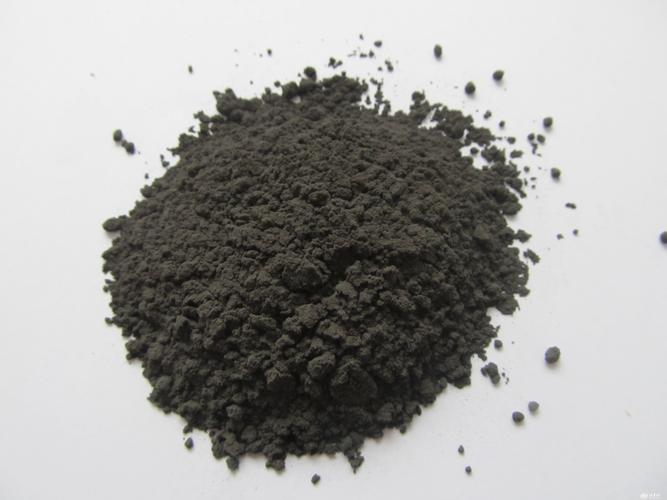
(silicon carbide chips)