Silicon Carbide (SiC) substratums are revolutionizing the semiconductor industry by using premium efficiency compared to conventional silicon. Understood for their remarkable thermal conductivity, high electrical area failure stamina, and capacity to operate at elevated temperatures, SiC substratums allow much more reliable power electronics. These properties make them perfect for applications in electric automobiles, renewable resource systems, and commercial electric motor drives.
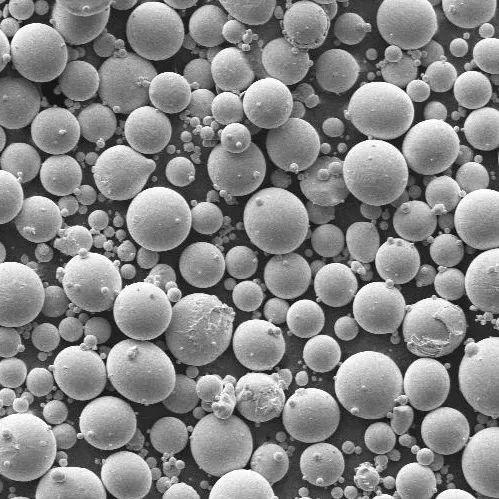
(sic substrate)
Unlike basic silicon wafers, SiC can deal with higher voltages and switch regularities with substantially reduced power loss. This translates right into smaller, lighter, and extra energy-efficient tools. For instance, in electrical vehicles, SiC-based inverters boost battery variety and minimize billing times– key factors in speeding up EV adoption.
There are various polytypes of SiC, with 4H-SiC being the most commonly utilized for power gadgets as a result of its desirable electronic homes. The production of top quality SiC substratums stays challenging and expensive, primarily because of the problem in growing big, defect-free crystals. However, recurring improvements in crystal growth methods, such as physical vapor transport, are gradually improving return and minimizing prices.
As need for energy-efficient technologies expands, so does the value of SiC substrates. Firms purchasing wide-bandgap semiconductors are placing themselves at the forefront of next-generation electronic devices. With continued r & d, SiC is poised to replace silicon in numerous high-performance applications.
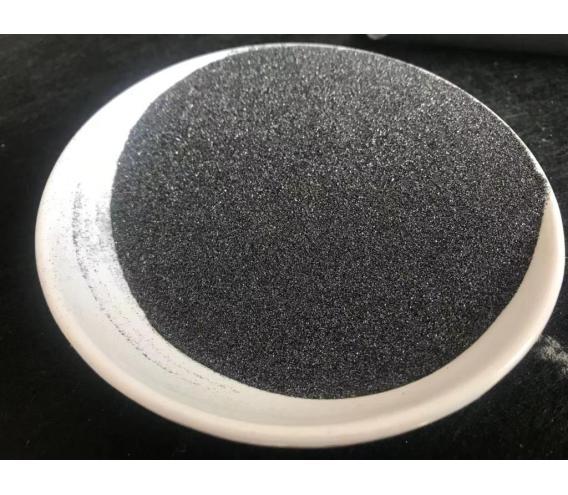
(sic substrate)
For deeper understandings right into the science and applications of silicon carbide, discover our comprehensive sources on SiC ceramics, SiC chips, and crystalline structures at Bookmarked: https://www.bookmarked.co.za/biology/sic-ceramic.html, https://www.bookmarked.co.za/biology/silicon-carbide-chips.html, and https://www.bookmarked.co.za/biology/crystalline-silicon-carbide.html.