Silicon carbide poles are high-performance ceramic parts prized for their extraordinary solidity, thermal conductivity, and resistance to wear and rust. Widely made use of in commercial burner, kilns, and semiconductor production, these poles maintain architectural stability even at temperatures going beyond 1600 ° C. Their unique combination of residential properties makes them optimal for demanding atmospheres where steels and conventional ceramics would fall short.
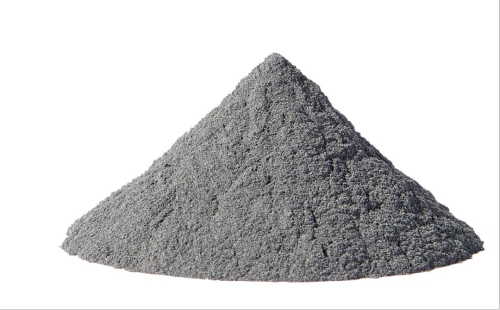
(silicon carbide rod)
There are 2 main kinds of silicon carbide poles: systematic and sintered. Meaningful silicon carbide rods include a continual crystalline framework that enhances electric conductivity and mechanical strength. These are commonly used in high-temperature electrical furnaces due to their ability to operate effectively as heating elements. On the various other hand, sintered silicon carbide rods are formed via a powder metallurgy process that bonds great SiC fragments without thawing them. This causes a thick, consistent material with outstanding chemical inertness and superior resistance to thermal shock.
Silicon carbide heating elements– usually described just as SiC aspects– are crafted for long life and regular performance. They oxidize slowly in air, creating a protective silica layer that expands their service life. When properly set up and operated within suggested criteria, these aspects can last countless hours, lowering downtime and upkeep expenses in commercial applications.
For those exploring advanced products in engineering or production, comprehending the differences in between coherent and sintered silicon carbide rods is crucial. Each type provides specific benefits depending on the operating problems and performance needs. Whether you’re making a new furnace system or updating existing equipment, selecting the right silicon carbide rod can significantly impact effectiveness and reliability.
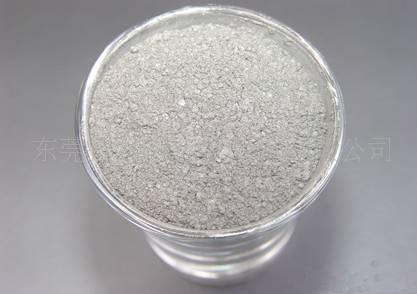
(silicon carbide rod)
Learn more concerning coherent silicon carbide at https://www.bookmarked.co.za/biology/coherent-sic.html, sintered silicon carbide at https://www.bookmarked.co.za/biology/sintered-silicon-carbide.html, and SiC heating elements at https://www.bookmarked.co.za/biology/sic-element.html.