Silicon carbide (SiC) is a remarkable substance understood for its severe hardness, thermal conductivity, and chemical security. These properties make it very useful in high-performance applications– from power electronics to abrasives– but additionally position considerable obstacles in machining. Unlike metals or softer porcelains, SiC withstands traditional cutting tools, requiring specialized techniques to shape without splitting or breaking.
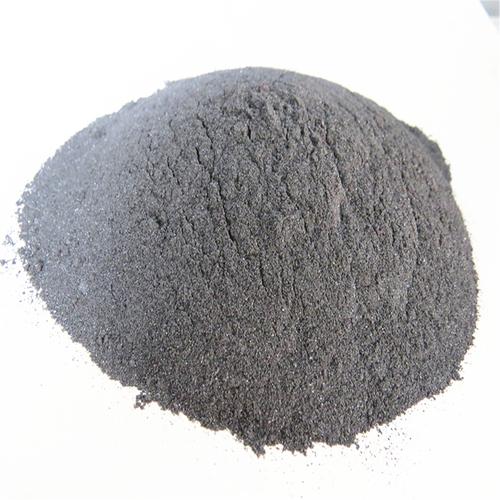
(silicon carbide machining)
Machining silicon carbide typically involves diamond-based devices due to their remarkable hardness. Processes like grinding, lapping, and brightening prevail, especially when creating elements for semiconductor tools or optical systems. Advanced approaches such as ultrasonic machining and laser cutting are additionally used to attain accuracy while lessening thermal stress and anxiety and mechanical damage.
One vital application driving SiC machining advancement is in power electronics. Silicon carbide MOSFETs provide greater performance, faster changing speeds, and far better thermal efficiency than conventional silicon tools. Nonetheless, fabricating these components needs micron-level precision and surface area integrity– goals just attainable through fine-tuned machining methods.
Carborundum, a very early industrial name for silicon carbide, was traditionally utilized as an abrasive grit. Today, that tradition continues in modern-day grinding wheels and sandpapers made especially for difficult products like SiC itself. The round nature of making use of SiC to machine SiC emphasizes its double function as both a workpiece and a tooling aid.
Despite progress, machining SiC remains expensive and time-intensive. Recurring research study concentrates on boosting device life, minimizing subsurface damages, and making it possible for complex geometries. As need expands for SiC in electrical cars, renewable energy systems, and aerospace, effective and scalable machining solutions will be crucial to unlocking its full capacity.
(silicon carbide machining)
For even more insights right into silicon carbide’s varied duties– from Wolfspeed’s sophisticated substratums to carborundum grit applications and SiC power MOSFETs– discover the comprehensive conversations at Bookmarked: https://www.bookmarked.co.za/biology/sic-wolfspeed.html, https://www.bookmarked.co.za/biology/carborundum-grit.html, https://www.bookmarked.co.za/biology/silicon-carbide-power-mosfet.html.