Recrystallized silicon carbide (RSiC) stands apart as a high-performance ceramic product valued for its phenomenal thermal conductivity, chemical inertness, and mechanical toughness at elevated temperatures. Unlike conventional sintered silicon carbide, RSiC is formed through an unique high-temperature procedure– typically above 2000 ° C– where silicon carbide grains fuse without the enhancement of sintering aids. This causes a virtually pure SiC structure with exceptional pureness and stability.
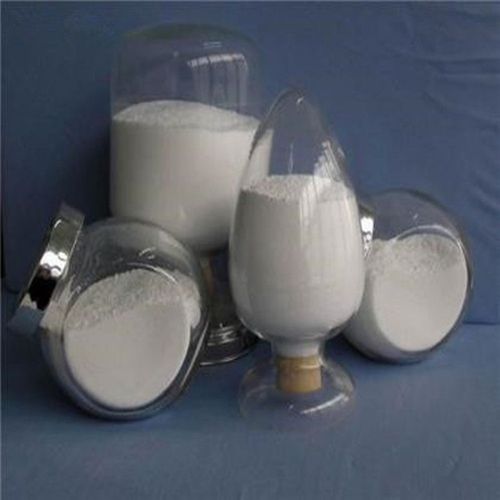
(recrystallized silicon carbide)
One of the crucial advantages of RSiC is its ability to keep architectural stability in severe environments, making it optimal for applications in aerospace, semiconductor manufacturing, and high-temperature commercial furnaces. Its low thermal development coefficient makes sure very little dimensional changes under thermal biking, minimizing the danger of splitting or failure. Moreover, RSiC shows excellent resistance to oxidation and corrosion, also when exposed to hostile chemicals or liquified steels.
In the world of power electronic devices, RSiC’s residential properties enhance progressed elements like 650V SiC MOSFETs and tools such as the NTH4L028N170M1, which utilize silicon carbide’s vast bandgap features for greater performance and faster switching rates. While RSiC itself isn’t generally used as a semiconductor substratum, its function in supporting and real estate these tools– via heat sinks, wafer chucks, or insulation parts– is critical for thermal administration and reliability.
Recent developments additionally explore composite materials like nickel-silicon carbide, where metallic stages are presented to boost electrical conductivity or strength. Nevertheless, RSiC stays unmatched when purity and thermal performance are critical.

(recrystallized silicon carbide)
As industries press toward greater power effectiveness and miniaturization, recrystallized silicon carbide remains to be a keystone product enabling next-generation modern technologies. Its blend of toughness, thermal strength, and chemical stability ensures it will certainly stay essential across sophisticated design fields for many years ahead. For more understandings right into SiC-based devices and composites, discover resources at Bookmarked.co.za.