When checking out advanced semiconductor modern technologies, Silicon Carbide (SiC) stands apart for its superior performance in high-power and high-temperature applications. Two crucial versions typically reviewed are 4H-SiC and 6H-SiC– polytypes of SiC that differ in their crystal structures and resulting electrical residential or commercial properties.
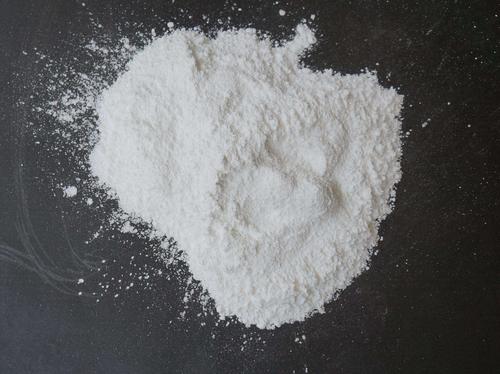
(4h sic 6h sic)
4H-SiC is widely preferred in power electronic devices as a result of its higher electron wheelchair and reduced on-resistance contrasted to 6H-SiC. These characteristics make 4H-SiC perfect for high-efficiency tools like MOSFETs and Schottky diodes used in electrical cars, renewable energy systems, and industrial motor drives. Its bandgap of about 3.2 eV allows operation at raised temperatures and voltages with minimal energy loss.
In contrast, 6H-SiC has a somewhat smaller bandgap (~ 3.0 eV) and lower electron wheelchair, which traditionally limited its use in high-performance changing applications. However, 6H-SiC stays appropriate in optoelectronics and certain sensing unit innovations due to its favorable optical buildings and ease of development in early-stage crystal growth.
Both polytypes use significant advantages over conventional silicon, consisting of greater thermal conductivity, better break down electric field toughness, and reduced changing losses. Yet, the sector fad highly favors 4H-SiC for next-generation power devices. As manufacturing methods improve and costs decline, 4H-SiC components are becoming a lot more accessible, accelerating adoption throughout multiple industries.
For much deeper understandings into SiC-based microelectronics and component style, check out in-depth analyses at Bookmarked:
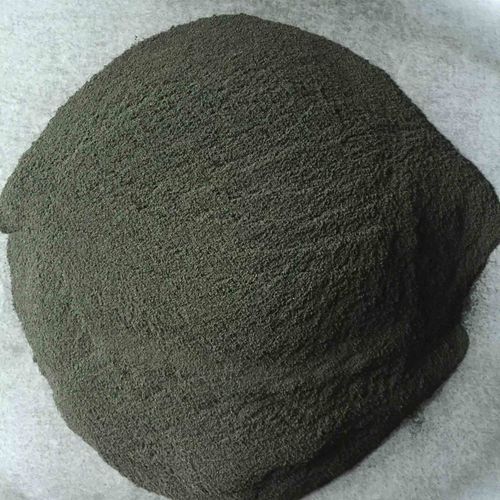
(4h sic 6h sic)
Comprehending the distinctions between 4H-SiC and 6H-SiC encourages engineers and scientists to choose the optimal product for certain applications– stabilizing efficiency, cost, and scalability in modern-day electronic systems.