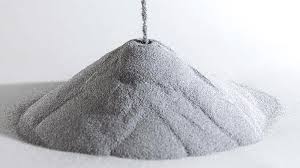
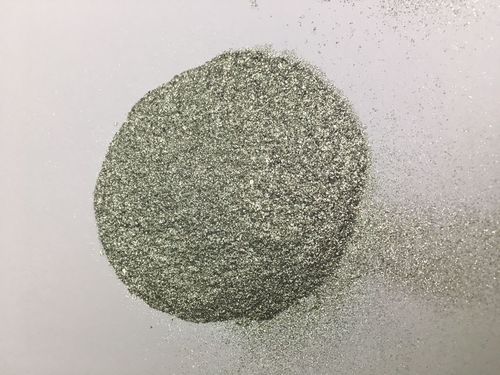
Carborundum is the typical name for Silicon Carbide, commonly abbreviated SiC. It is an incredibly hard, synthetically produced compound of silicon and carbon. Uncovered unintentionally by Edward Goodrich Acheson in 1891 while attempting to produce artificial diamonds, it revolutionized rough products. SiC is usually manufactured by warming a blend of silica sand and carbon (petroleum coke or coal) in a big electrical resistance heater at really high temperatures (around 2,500 ° C). This procedure, referred to as the Acheson procedure, creates the particular green or black crystalline product.
(carborundum silicon carbide)
(carborundum silicon carbide)
Silicon Carbide has exceptional residential properties. It rates simply listed below ruby and boron carbide on the Mohs hardness range, making it a superb abrasive for grinding wheels, sandpaper, and reducing tools. It displays outstanding thermal stability, keeping toughness at high temperatures (approximately regarding 1,600 ° C), high thermal conductivity, and low thermal development. SiC is likewise chemically inert, immune to oxidation and strike by acids and bases. These features make it very useful past abrasives. It functions as an essential refractory material in heaters, kiln furniture, and foundry applications. Its semiconductor buildings, especially a wide bandgap, allow its use in high-power, high-temperature, and high-frequency digital gadgets like Schottky diodes and MOSFETs, using benefits over typical silicon. Furthermore, SiC is utilized in ceramic armor, wear-resistant parts, and progressively in auto brake discs and clutches. Its distinct combination of solidity, thermal residential properties, and chemical resistance guarantees silicon carbide continues to be a vital industrial product.
Inquiry us
if you want to want to know more, please feel free to contact us.