Dense sintered boron nitride ceramic plates are now gaining attention for their strong performance in heat management. These plates offer excellent thermal conductivity, which makes them ideal for use in heat sink applications. Unlike many traditional materials, they move heat away quickly and evenly. This helps keep electronic components cool during operation.
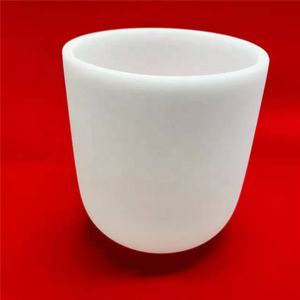
(Dense Sintered Boron Nitride Ceramic Plates Offer Excellent Thermal Conductivity for Heat Sink Solutions)
The material is made through a special sintering process that creates a dense, uniform structure. This structure gives the plates high thermal conductivity while still being electrically insulating. That combination is rare and valuable in electronics. It allows engineers to manage heat without risking short circuits or other electrical issues.
Manufacturers are turning to these ceramic plates for demanding applications. They work well in power electronics, LED lighting systems, and high-frequency devices. The plates stay stable at high temperatures and do not degrade easily over time. They also resist thermal shock, which means they can handle sudden temperature changes without cracking.
Another advantage is their smooth surface finish. This makes it easier to attach them directly to components without extra interface materials. Less material between parts means better heat transfer overall. Users report more consistent cooling and longer device life when using these plates.
Production of dense sintered boron nitride has improved in recent years. Better control over the manufacturing process has led to higher quality and more consistent performance. Companies can now source these plates in custom sizes and thicknesses to fit specific design needs. This flexibility helps speed up development and integration into new products.
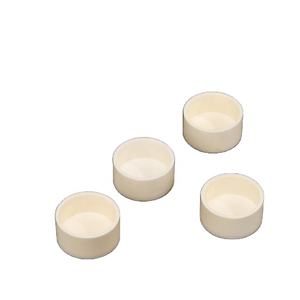
(Dense Sintered Boron Nitride Ceramic Plates Offer Excellent Thermal Conductivity for Heat Sink Solutions)
As electronics get smaller and more powerful, managing heat becomes harder. Dense sintered boron nitride ceramic plates offer a reliable solution. They meet the growing need for materials that cool efficiently without adding electrical risk. Engineers and designers are increasingly choosing them for next-generation thermal management systems.