1. Material Science and Functional Mechanisms
1.1 Meaning and Classification of Lightweight Admixtures
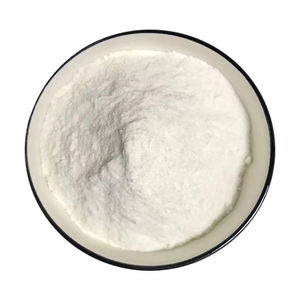
(Lightweight Concrete Admixtures)
Lightweight concrete admixtures are specialized chemical or physical ingredients created to minimize the thickness of cementitious systems while maintaining or enhancing structural and useful efficiency.
Unlike typical accumulations, these admixtures introduce regulated porosity or incorporate low-density phases into the concrete matrix, leading to device weights typically varying from 800 to 1800 kg/m FIVE, compared to 2300– 2500 kg/m five for regular concrete.
They are broadly categorized into two types: chemical frothing representatives and preformed light-weight incorporations.
Chemical frothing representatives produce fine, steady air spaces with in-situ gas release– frequently through aluminum powder in autoclaved oxygenated concrete (AAC) or hydrogen peroxide with catalysts– while preformed inclusions include increased polystyrene (EPS) beads, perlite, vermiculite, and hollow ceramic or polymer microspheres.
Advanced variations also include nanostructured permeable silica, aerogels, and recycled light-weight accumulations stemmed from commercial by-products such as increased glass or slag.
The selection of admixture depends upon required thermal insulation, toughness, fire resistance, and workability, making them versatile to diverse construction needs.
1.2 Pore Framework and Density-Property Relationships
The performance of lightweight concrete is basically regulated by the morphology, dimension distribution, and interconnectivity of pores introduced by the admixture.
Optimal systems include uniformly distributed, closed-cell pores with diameters between 50 and 500 micrometers, which lessen water absorption and thermal conductivity while making the most of insulation efficiency.
Open or interconnected pores, while decreasing density, can endanger stamina and sturdiness by promoting dampness ingress and freeze-thaw damage.
Admixtures that support penalty, separated bubbles– such as protein-based or synthetic surfactants in foam concrete– enhance both mechanical honesty and thermal performance.
The inverse connection between thickness and compressive stamina is reputable; however, modern admixture formulations mitigate this compromise with matrix densification, fiber reinforcement, and enhanced healing regimens.

( Lightweight Concrete Admixtures)
As an example, including silica fume or fly ash together with lathering representatives fine-tunes the pore structure and enhances the cement paste, allowing high-strength light-weight concrete (up to 40 MPa) for architectural applications.
2. Secret Admixture Types and Their Engineering Roles
2.1 Foaming Agents and Air-Entraining Equipments
Protein-based and synthetic foaming agents are the keystone of foam concrete production, creating secure air bubbles that are mechanically mixed into the concrete slurry.
Healthy protein foams, originated from animal or vegetable sources, provide high foam security and are suitable for low-density applications (
Cabr-Concrete is a supplier of Concrete Admixture with over 12 years of experience in nano-building energy conservation and nanotechnology development. It accepts payment via Credit Card, T/T, West Union and Paypal. TRUNNANO will ship the goods to customers overseas through FedEx, DHL, by air, or by sea. If you are looking for high quality Concrete Admixture, please feel free to contact us and send an inquiry.
Tags: Lightweight Concrete Admixtures, concrete additives, concrete admixture
All articles and pictures are from the Internet. If there are any copyright issues, please contact us in time to delete.
Inquiry us