Silicon carbide abrasive sticks out as one of the hardest and most versatile materials used in commercial grinding, cutting, and polishing applications. With a Mohs firmness rating of 9.5– 2nd only to ruby– silicon carbide (SiC) provides outstanding performance on hard, fragile materials like glass, porcelains, rock, and specific steels. Its sharp, angular grains crack easily during use, continually revealing fresh cutting sides that maintain high performance throughout the abrasive’s life-span.
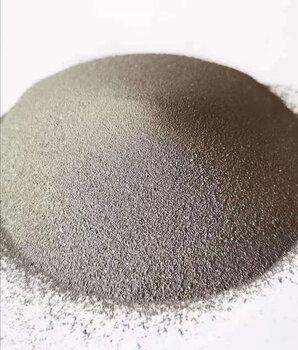
(silicon carbide abrasive)
Unlike typical light weight aluminum oxide abrasives, silicon carbide masters non-ferrous applications because of its chemical inertness and thermal security. It stands up to warmth accumulation and preserves structural stability even under extreme stress, making it suitable for precision tasks such as lapping, sandblasting, and surface ending up. Furthermore, its conductivity allows it to be utilized in specialized electrical applications where fixed dissipation is essential.
Makers create silicon carbide abrasives in various forms– consisting of sandpaper, grinding wheels, reducing discs, and loosened grit– tailored to certain commercial requirements. The environment-friendly or black variations vary somewhat in purity and crystal structure, with green SiC typically offering greater pureness and sharper grains suited for fine finishing.
As industries press toward greater effectiveness and sustainability, silicon carbide’s longevity decreases product waste and expands tool life, adding to set you back financial savings and lower ecological effect. Its duty remains to increase past abrasives into high-performance electronics, as seen in SiC-based transistors and power gadgets that leverage the very same durable properties for energy-efficient systems.
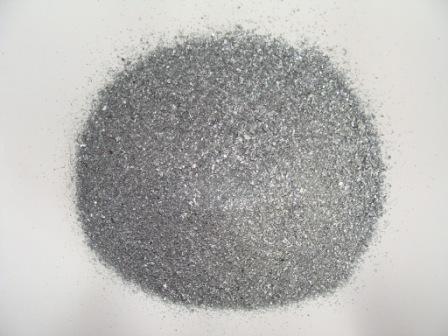
(silicon carbide abrasive)
For more understandings right into the developing applications of silicon carbide– from abrasives to advanced semiconductors– check out associated conversations at https://www.bookmarked.co.za/biology/infineon-silicon-carbide.html, https://www.bookmarked.co.za/biology/sic-transistor.html, and https://www.bookmarked.co.za/biology/silicon-carbide-3.html.