Steel generally wins the hardness battle against titanium. Determined on the Rockwell C scale (HRC), typical device steels like D2 or high-carbon steels can easily attain hardness levels above 60 HRC. Heat therapy processes like relieving and tempering dramatically boost steel’s solidity. Titanium alloys, on the various other hand, normally max out at around 36-40 HRC in their hardest commercially offered forms, like Grade 5 (Ti-6Al-4V). Pure titanium is even softer. This suggests a quality steel blade will hold a sharper side longer and withstand scraping or contortion under point tons much better than titanium.
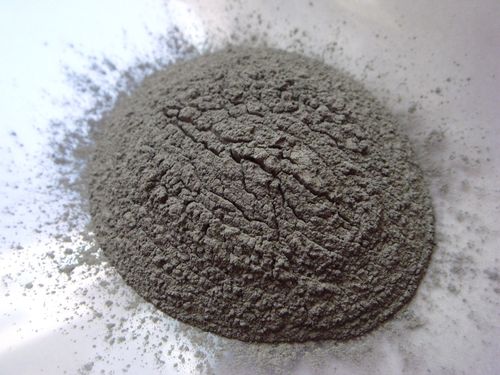
(steel vs titanium hardness)
(steel vs titanium hardness)
However, hardness isn’t the entire tale. Titanium brings extraordinary benefits that steel can’t match. It boasts superior strength-to-weight ratios, meaning it can be incredibly strong for its weight, an important consider aerospace applications. Titanium is also extremely corrosion-resistant, even going beyond stainless-steels in severe atmospheres like deep sea. It’s biocompatible, making it perfect for medical implants. Steel, while normally harder, is denser and more susceptible to rust without protective treatments or specific alloying (stainless-steel). Steel’s firmness makes it outstanding for cutting tools, bearings, and structural elements where wear resistance is extremely important. Titanium radiates where lightweight stamina, corrosion resistance, and fatigue life are much more important than pure surface solidity. The “far better” product depends completely on the certain application’s needs.
Inquiry us
if you want to want to know more, please feel free to contact us.