Silicon Carbide, typically abbreviated as SiC, is an impressive substance of silicon and carbon. It’s not naturally bountiful however is synthesized for industrial use. SiC is renowned for its extreme solidity, ranking simply below ruby on the Mohs range. This makes it an excellent abrasive material, utilized in grinding wheels, sandpaper, and cutting tools. Eco-friendly silicon carbide, a common range, is particularly valued for grinding carbide and porcelains.
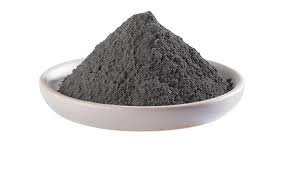
(silicium carbide)
Past abrasives, SiC has phenomenal thermal residential or commercial properties. It has high thermal conductivity, enabling warmth to dissipate rapidly, coupled with a reduced coefficient of thermal growth, suggesting it withstands shape modifications under warmth. These qualities make SiC ceramics excellent for demanding applications like heater elements, kiln furnishings, and wear-resistant components.
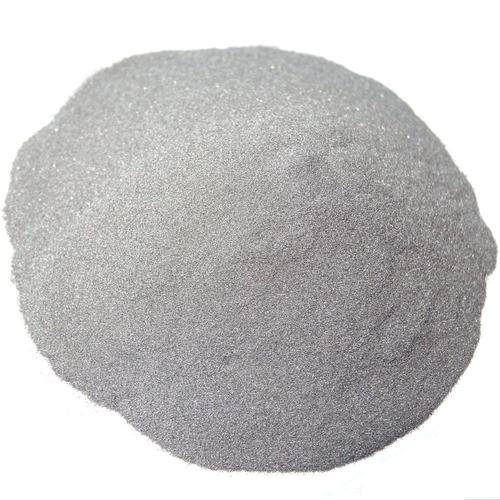
(silicium carbide)
Nonetheless, silicon carbide’s most transformative influence is in electronic devices. As a vast bandgap semiconductor, SiC offers substantial advantages over traditional silicon. SiC tools can operate at much greater voltages, temperature levels, and frequencies with better performance. This translates to smaller, lighter, and much more effective parts for electrical cars (EVs), renewable resource systems (solar inverters, wind turbines), and commercial power supplies. SiC power components enable faster switching speeds and lower power losses, improving total system efficiency. While producing costs are presently higher than silicon, the efficiency advantages drive enhancing adoption in high-power and high-temperature settings. Silicon carbide is absolutely a product powering the future.
Inquiry us
if you want to want to know more, please feel free to contact us.