Silicon carbide (SiC) wafers are changing the semiconductor industry, and the 4H-SiC polytype sticks out as a preferred choice for high-performance power devices. Unlike standard silicon, 4H-SiC provides superior thermal conductivity, higher malfunction electrical area toughness, and better effectiveness at raised temperature levels– making it optimal for electrical cars, renewable resource systems, and industrial power electronics.
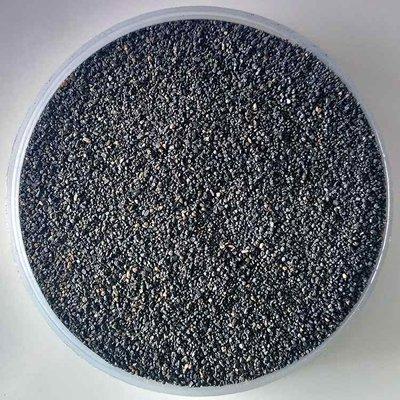
(4h sic wafer)
The “4H” classification describes the crystal structure of this SiC variant, which includes a hexagonal latticework with four bilayers in its unit cell. This configuration supplies excellent electron wheelchair and lower on-resistance contrasted to various other SiC polytypes like 6H or 3C. As a result, tools improved 4H-SiC substrates can switch over faster and operate a lot more effectively, considerably reducing energy losses.
Manufacturing top quality 4H-SiC wafers stays difficult as a result of problems such as micropipes and misplacements, however developments in crystal growth methods– like physical vapor transport (PVT)– are steadily enhancing return and efficiency. Companies like Saint-Gobain are investing greatly in fine-tuning these procedures to satisfy growing market need.
The dark, nearly black appearance of 4H-SiC wafers is not just visual– it reflects the material’s wide bandgap nature, which allows procedure in severe atmospheres where silicon would stop working. With global efforts pressing toward greener modern technologies, 4H-SiC is placed as a cornerstone product for next-generation power electronics.
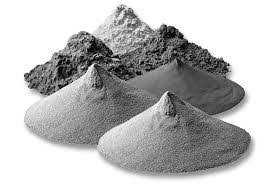
(4h sic wafer)
For more understandings right into SiC manufacture, Saint-Gobain’s role in SiC development, and the one-of-a-kind properties of black SiC wafers, check out these sources: https://www.bookmarked.co.za/biology/sic-fab.html, https://www.bookmarked.co.za/biology/saint-gobain-silicon-carbide.html, and https://www.bookmarked.co.za/biology/sic-black.html.