Ceramic silicon, a lot more precisely called silicon carbide (SiC), is an exceptional substance that mixes the properties of ceramics and semiconductors. Unlike important silicon made use of in standard electronic devices, silicon carbide supplies superior firmness, thermal conductivity, and resistance to heats and deterioration. These traits make it important throughout sectors ranging from aerospace to renewable energy.
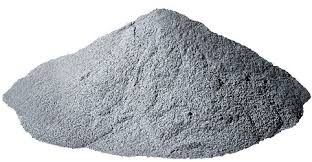
(ceramic silicon)
Silicon carbide exists in both crystalline and amorphous types, with the crystalline alternative prized for its structural stability and performance in high-power applications. In electrical cars, SiC-based power electronic devices allow quicker billing and better power efficiency compared to conventional silicon components. Its vast bandgap allows devices to operate at greater voltages and temperatures without degrading performance.
Beyond electronic devices, SiC ceramics are used in rough settings where resilience is crucial– such as turbine blades, armor plating, and commercial heating systems. The material’s capacity to preserve honesty under severe stress and anxiety makes it a cornerstone of advanced design options.
Current innovations have additionally explored biomedical uses for silicon carbide, leveraging its biocompatibility and chemical inertness for implants and sensing units. As research advances, the line in between conventional ceramics and high-tech semiconductors remains to blur, with SiC at the forefront.
For deeper insights into the science and applications of silicon carbide, explore detailed conversations on Bookmarked:
(ceramic silicon)
Whether you’re an engineer, scientist, or technology fanatic, comprehending ceramic silicon opens up a home window right into the future of products scientific research– where strength fulfills technology.