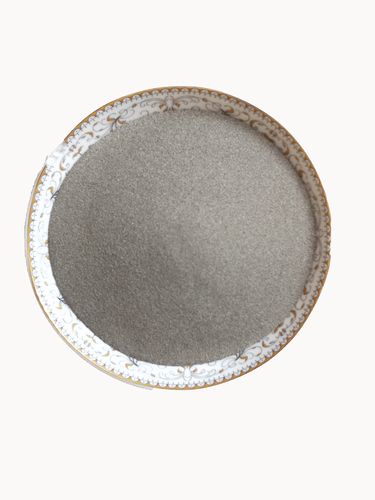
Silicon carbide (SiC), frequently referred to as carborundum, is an amazing substance of silicon and carbon recognized for its exceptional hardness and thermal security. With a Mohs hardness ranking of 9– 9.5, it places just below diamond, making it among the hardest products on Earth. This property has resulted in its prevalent use in abrasives, reducing devices, and grinding applications– details explored extensive at https://www.bookmarked.co.za/biology/carborundum-grit.html.
(silicon c)
Beyond its unpleasant usages, silicon carbide excels in high-temperature environments. Its ability to endure extreme heat without degrading makes it optimal for refractory linings in heaters and kilns. These refractory applications take advantage of SiC’s low thermal expansion and high thermal conductivity, guaranteeing sturdiness under thermal shock– a subject covered thoroughly at https://www.bookmarked.co.za/biology/silicon-carbide-refractory.html.
In advanced manufacturing, silicon carbide offers both chances and difficulties. While its solidity enables accuracy components for aerospace and protection, machining SiC needs specialized strategies like ruby grinding or electrical discharge machining. The material’s brittleness demands cautious handling, yet its efficiency in rough conditions justifies the effort. For understandings into machining procedures and best practices, check out https://www.bookmarked.co.za/biology/silicon-carbide-machining.html.
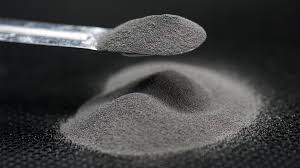
Silicon carbide also plays an expanding role in electronic devices, specifically in power devices and LEDs, thanks to its large bandgap semiconductor residential or commercial properties. As industries push toward much more effective and compact systems, SiC continues to obtain grip as an exceptional alternative to conventional silicon.
(silicon c)
From abrasive abrasives to modern semiconductors, silicon carbide bridges the gap in between commercial ruggedness and cutting-edge advancement. Its convenience guarantees ongoing significance throughout industries– from metallurgy to renewable resource– solidifying its status as a keystone product in modern-day design.